Your Body Has Been Keeping Score: The Science of Minority Stress and Why Somatic-Aware Practitioners Change Everything
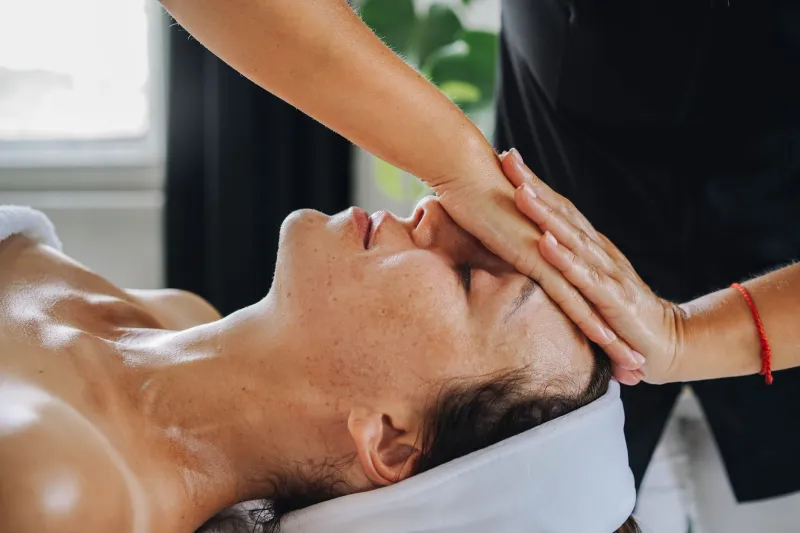
Let's be honest about something most wellness content glosses over: the queer body has been through it. Not in a vague, inspirational-poster kind of way. In a very literal, physiological, your-nervous-system-has-been-running-on-high-alert-for-years kind of way.
For LGBTQ+ people living in the United States — navigating everything from everyday microaggressions to outright discrimination, from family rejection to the ongoing political assault on trans rights — the stress isn't occasional. It's ambient. It's structural. And it lives in the body in ways that are genuinely different from what most massage therapists, bodyworkers, and spa practitioners are trained to recognize.
This isn't about being fragile. It's about being human, and about understanding what years of hypervigilance actually do to your biology.
What Minority Stress Actually Is (and Why It's Not Just in Your Head)
The term "minority stress" was formalized by researcher Ilan Meyer in the early 2000s, and it describes the excess stress that marginalized groups experience as a direct result of stigma, prejudice, and discrimination. For queer and trans folks, this includes external stressors — like navigating a hostile workplace or a bathroom that doesn't feel safe — and internal ones, like internalized homophobia, the constant work of concealment, and the hypervigilance that comes from never being quite sure how someone is going to react to who you are.
Here's the thing about stress: your nervous system doesn't distinguish between a tiger chasing you and a coworker making a transphobic comment in a meeting. Both activate your sympathetic nervous system — the fight-or-flight response. Both flood your body with cortisol and adrenaline. Both tense your muscles, constrict your breathing, and put your body on high alert.
The difference is that after the tiger, you get to relax. After a lifetime of minority stress, many queer and trans bodies never fully do.
The Nervous System on Chronic Alert
When the sympathetic nervous system stays activated over long periods, it doesn't just make you feel anxious or exhausted. It reshapes your baseline. Your body starts to interpret a relaxed state as unfamiliar — even dangerous. This is sometimes called a "window of tolerance" collapse, and it's incredibly common in communities that have experienced ongoing trauma.
For LGBTQ+ people, this can show up as chronic muscle tension (especially in the neck, shoulders, jaw, and hips — areas deeply tied to emotional holding), difficulty fully relaxing during bodywork sessions, dissociation or emotional flooding during massage, a persistent sense of being "on" even in supposedly safe spaces, and digestive issues, sleep disruption, and immune dysregulation linked to chronic cortisol exposure.
Research published in journals like Psychosomatic Medicine and Annals of Behavioral Medicine has consistently linked minority stress to elevated allostatic load — essentially, the cumulative wear and tear on the body from chronic stress. LGBTQ+ individuals, particularly those who are multiply marginalized (queer people of color, trans women, low-income queer folks), show measurably higher allostatic load than their heterosexual, cisgender peers.
That's not a metaphor. That's biology.
Why Most Bodywork Misses the Mark
Here's where it gets frustrating. A lot of massage therapy and spa wellness is designed around a very specific kind of client: someone who arrives mildly stressed from work, gets a Swedish massage, and leaves feeling refreshed. The model assumes a body that's ready and willing to receive relaxation — one that doesn't have a complicated relationship with touch, with being seen, with trusting a stranger's hands.
For many LGBTQ+ clients, that model fails before it even starts.
A trans person navigating dysphoria around specific parts of their body needs a practitioner who understands how to ask about boundaries without making it clinical or weird. A queer person whose nervous system has been on guard since adolescence may need slower, more intentional touch before their body will actually let go. Someone carrying the weight of family rejection or community loss may experience unexpected emotional releases during bodywork — and needs a practitioner who can hold that space without panic or awkwardness.
This isn't about special treatment. It's about competent care. A practitioner who doesn't understand minority stress, trauma responses, or gender-affirming intake practices isn't equipped to serve a significant portion of the population — and in a wellness context, that gap doesn't just mean a subpar experience. It can mean retraumatization.
What Somatic-Informed Practice Actually Looks Like
So what should you be looking for when you're searching for a bodyworker who genuinely gets it?
Trauma-informed training. Look for practitioners who have completed continuing education in trauma-informed massage or somatic bodywork approaches. Modalities like Somatic Experiencing, trauma-sensitive massage, and myofascial release taught through a trauma lens are all worth asking about. The Trauma Healing Project and Somatic Experiencing International both offer practitioner directories.
Explicit LGBTQ+ affirmation. Not just a rainbow sticker (though honestly, that's a start). Ask directly: do they have experience working with trans clients? Do they use inclusive intake forms that ask for preferred name and pronouns? Do they offer the option to customize draping or skip certain areas without requiring a lengthy explanation?
A nervous system-paced approach. A practitioner who understands minority stress will often begin sessions more slowly, check in more frequently, and be willing to spend time on grounding techniques before diving into deeper work. They understand that the goal isn't just muscle relaxation — it's helping your nervous system remember what safety feels like.
No assumptions about what you need. Good somatic practitioners ask. They don't assume that firm pressure is better, that emotional release is always the goal, or that every queer body holds tension the same way. Individualization is the whole point.
Finding Your People in the Wellness World
If you're in the US and actively searching, a few practical tips: LGBTQ+ community centers in major cities often maintain referral lists for affirming health and wellness providers. Psychology Today's therapist directory has filtering options for LGBTQ+-affirming practitioners, and many massage therapists list themselves there too. Word of mouth within queer community spaces — whether that's your local LGBTQ+ center, an online forum, or a Pride-focused Facebook group — is still one of the most reliable ways to find someone trustworthy.
When you find a practitioner who actually understands what your body has been through, the difference is palpable. It's not just that the session feels better. It's that your nervous system finally gets the message that it's allowed to put the armor down.
You Deserve Care That Meets You Where You Are
The wellness industry has a long history of centering a very narrow vision of who deserves care and what healing looks like. LGBTQ+ people — especially trans folks, queer people of color, and those carrying the weight of multiple marginalizations — have too often been an afterthought at best and actively harmed at worst.
But that's changing. There's a growing movement of bodyworkers, massage therapists, and somatic practitioners who are doing the work to understand minority stress, trauma-informed care, and gender-affirming practice. Seeking them out isn't being high-maintenance. It's being smart about your healing.
Your nervous system has been keeping score for a long time. It deserves a practitioner who understands the game.