Your Body, Your Rules: A Real Talk Guide to Navigating Wellness Spaces as a Trans or Non-Binary Person

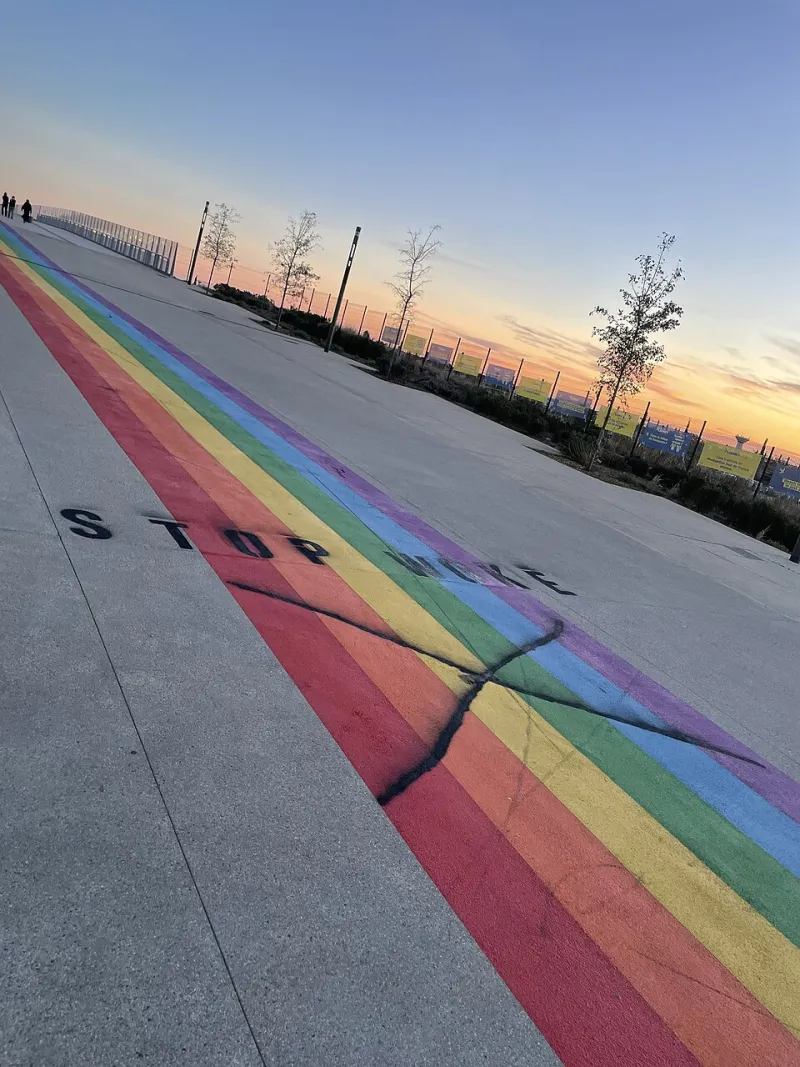
Photo: Myotus, CC BY-SA 4.0, via Wikimedia Commons
Getting a massage should feel like relief. For a lot of trans and non-binary people in the US, though, the process of finding that massage — vetting providers, navigating intake forms, wondering whether you'll have to explain your body or your pronouns mid-session — adds a whole layer of stress that kind of defeats the purpose.
You deserve bodywork that actually works for you. This guide is here to help you find it, advocate for it, and know when to walk away.
Why This Is Still a Problem in 2024
The wellness industry has made real strides in recent years, but let's be honest: a lot of it is surface-level. Rainbow logos during Pride Month don't automatically mean a provider knows how to work with a trans body respectfully, use correct pronouns without prompting, or handle disclosure with any kind of grace.
Trans and non-binary clients face a specific set of challenges in wellness spaces that go beyond what most cisgender LGBTQ+ clients experience. These include navigating gendered changing rooms and bathrooms, dealing with intake forms that don't reflect their gender identity, managing disclosure decisions around surgical history or hormone use, and working with therapists who may have limited (or zero) training in trans-affirming care.
"The number of clients who come to me and say I'm their first provider who didn't make them feel like a curiosity — that breaks my heart," says Renata, a licensed massage therapist in Denver who specializes in working with trans and gender-diverse clients. "These are people who've been avoiding bodywork, sometimes for years, because the risk of a bad experience felt too high."
Before You Book: Green Flags to Look For
Doing a little homework before you commit to an appointment can save you a lot of grief. Here's what actually matters:
Intake forms that include gender identity and pronouns. This is one of the clearest signals that a provider has thought about their trans clients. If the form only offers "male" and "female" with no write-in option, that tells you something.
Explicit inclusivity language on their website. Not just a generic "we welcome everyone" disclaimer — actual language that names trans and non-binary clients specifically. It's a small thing that signals intentionality.
Trainings and certifications in trans-affirming care. Some massage therapists and spa staff have pursued continuing education specifically around working with gender-diverse clients. It's worth asking.
Flexible room and facility policies. Does the spa have a private changing room option? Do they allow clients to request a therapist of a specific gender? These structural accommodations matter a lot.
Community reputation. Word of mouth within trans communities is powerful. LGBTQ+ community centers, Facebook groups, and apps like Grindr or Lex sometimes have recommendation threads. Ask around.
The Disclosure Question: You Get to Decide
One of the biggest anxieties trans clients report is figuring out what — if anything — to disclose to a provider before or during a session. The short answer is: you're in charge of that conversation.
You are not obligated to disclose your trans status, surgical history, or anything else that isn't directly relevant to the specific service you're receiving. A massage therapist needs to know about injuries, areas of sensitivity, and your comfort preferences. They do not need your full medical history.
That said, there are situations where disclosure might actually serve you. If you have specific areas you want avoided for reasons related to gender dysphoria or surgery, communicating that — even in general terms — can help the therapist work with you more effectively. You can be as specific or as vague as you want: "Please avoid my chest area" is complete and sufficient. You don't owe an explanation.
"I always tell clients that the goal is for them to feel safe in their body during the session," says Tomás, a bodywork practitioner in Portland. "If giving me a little context helps them relax, great. If they'd rather just say 'avoid this area,' that's also great. I follow their lead."
Red Flags That Should Send You Out the Door
Trust your gut. And watch for these specific warning signs:
- A provider who misgenders you after being corrected — once is a mistake, twice is a pattern
- Intrusive or medically irrelevant questions about your body, surgeries, or hormones
- Visible discomfort or hesitation when you mention your gender identity
- A facility with no gender-neutral bathroom or changing option and no willingness to problem-solve
- Policies that rigidly assign clients to gendered rooms without flexibility
- Any provider who makes you feel like an educational opportunity rather than a client
You are allowed to leave. You are allowed to ask for a different therapist. You are allowed to get a refund and write an honest review.
What Providers Actually Need to Do Better
If you work in wellness and you're reading this — thank you. Here's the real talk:
Update your intake forms. This is free and takes about twenty minutes. Add gender identity, pronouns, and a notes field. Do it today.
Train your staff — all of them. Not just the massage therapists. The front desk person who greets clients, the receptionist who books appointments, the person who hands out locker keys. Everyone needs to be on the same page.
Create private options. If your facility is gendered, have a plan for clients who don't fit neatly into those categories. A private changing room, a flexible locker assignment process, something.
Don't make clients do the emotional labor of educating you. If you don't know something about working with trans bodies, seek out training on your own time. Your clients are paying for a service, not a seminar.
Ask, don't assume. "What pronouns do you use?" and "Are there any areas you'd like me to avoid?" are simple questions that signal respect and professionalism.
Finding Your People
The good news is that affirming providers are out there, and the community has gotten pretty good at finding and sharing them. The LGBTQ+ Massage Therapist Association is a growing resource. Local LGBTQ+ health centers often maintain referral lists. Online communities for trans people frequently have threads dedicated to provider recommendations by city.
You shouldn't have to work this hard to find a massage therapist who treats you like a full human being. But until the industry catches up across the board, knowing where to look — and what to look for — is the most powerful tool you've got.
Your body deserves care. Your identity deserves respect. And you deserve both at the same time, in the same room, without having to fight for it.
That's not a lot to ask. Keep asking for it anyway.