Every Season of Queer Life Deserves Its Own Kind of Care
There's a version of wellness culture that imagines everyone walking through the door with the same basic needs — a little tension in the shoulders, maybe some stress from work, a desire to feel better before Monday rolls back around. Clean, simple, universal.
But queer life doesn't work like that. It never has.
For LGBTQ+ people, the body carries a different kind of weight at every stage of life. The anxieties of a 22-year-old just starting to explore what affirming touch even feels like are nothing like the emotional terrain of a 45-year-old processing decades of keeping themselves small — and neither of those experiences resembles what a 68-year-old queer elder navigates when they finally decide their body deserves gentleness after a lifetime of survival mode.
This isn't just poetic framing. It's a real gap in how wellness spaces — massage studios, spas, bodywork practitioners — approach LGBTQ+ clients. And closing that gap starts with understanding that queer wellness has seasons, each one distinct, each one worth honoring.
Young Adults: Learning That Touch Can Be Safe
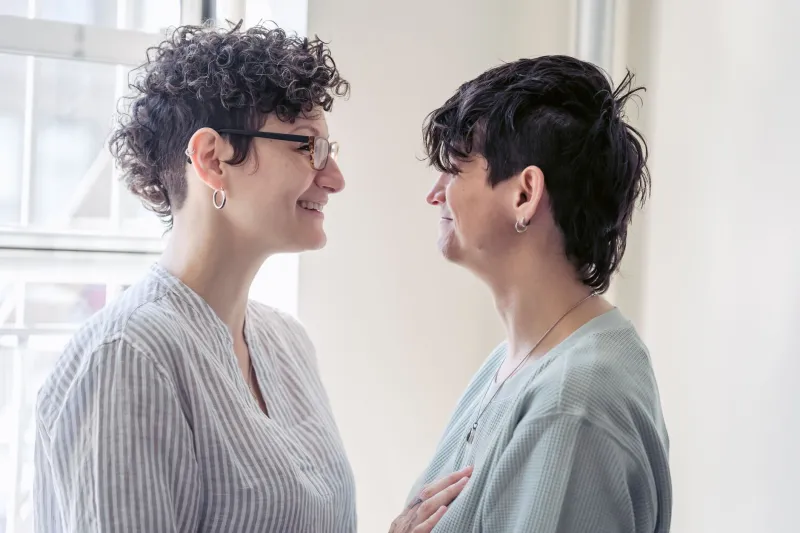
For a lot of LGBTQ+ young adults — let's say roughly 18 to 30 — the wellness journey often begins with a fundamental question that their straight, cisgender peers rarely have to ask: Is this space actually safe for someone like me?
Many queer young people come into adulthood having spent years hypervigilant in their own bodies. Hiding in locker rooms. Bracing for comments. Performing a version of themselves that took up less space. By the time they're old enough to walk into a massage studio on their own terms, the nervous system has often been running in low-grade alarm mode for years.
What that means practically is that first experiences with professional touch — even entirely non-sexual, therapeutic massage — can feel loaded in ways a practitioner might not anticipate. A young trans person receiving their first massage after starting hormones may be navigating profound body image shifts. A gay man who grew up in a conservative household might feel a complicated mix of relief and residual shame just lying on a table and asking for care.
Practitioners who work well with this age group tend to lead with transparency: clear communication about draping, explicit invitations to speak up about pressure and comfort, and — critically — no assumptions about gender presentation or anatomy. Small things, huge impact.
For young queer clients themselves, the work is often about learning to trust — not just the practitioner, but their own right to be there at all.
Midlife: Unpacking What the Body Has Been Holding
Somewhere in the 30s, 40s, and early 50s, a shift tends to happen. The urgency is less about figuring out if you're allowed to take up space and more about reckoning with how much you haven't over the years.
This is the life stage where a lot of LGBTQ+ people start to connect the dots. The chronic tension in the jaw that showed up around the same time they came out to their family. The lower back pain that flared during a particularly brutal stretch of workplace discrimination. The way intimacy — physical, emotional, all of it — got complicated after a hard breakup or a health scare or just years of navigating a world that wasn't built with you in mind.
Minority stress — the cumulative toll of living as a marginalized person in a society that regularly sends signals of rejection — doesn't stay abstract. It lives in connective tissue. It shows up as chronic pain, disrupted sleep, a nervous system that struggles to fully downshift into rest.
For queer people in midlife, the most transformative wellness experiences tend to involve practitioners who understand somatic work — bodywork that acknowledges the connection between emotional history and physical holding patterns. This isn't about lying on a table and crying (though sometimes that happens and it's completely fine). It's about having a practitioner who won't pathologize an emotional response, who knows that releasing a tight hip flexor in a queer body of a certain age might carry more weight than it would in a different context.
Midlife queer clients often benefit enormously from practitioners who ask thoughtful intake questions, who check in during sessions, and who treat the body as the intelligent, story-holding thing it actually is.
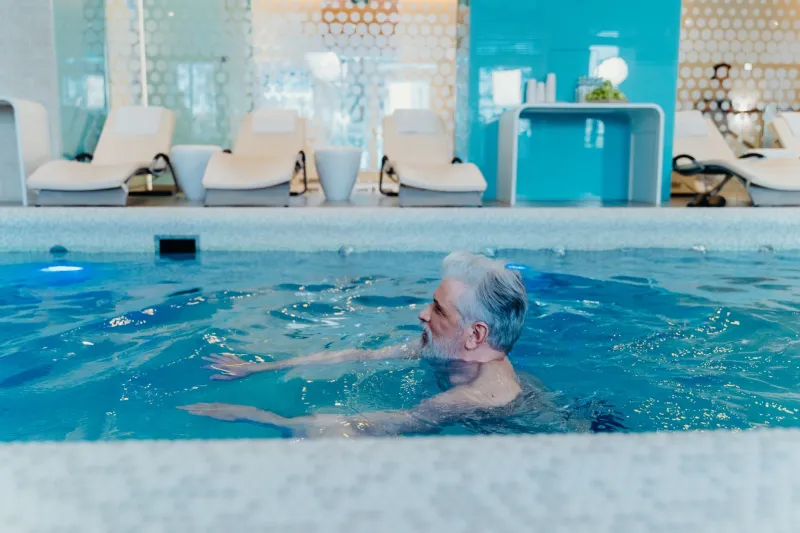
Older Queer Adults: Reclaiming What Was Never Supposed to Be Theirs
Here's something the mainstream wellness industry rarely talks about: a significant portion of older LGBTQ+ Americans — people in their 60s, 70s, and beyond — grew up in an era when being queer was classified as a mental illness, when gay bars were raided, when the AIDS crisis tore through communities with devastating force and was largely met with governmental indifference.
These are people who, in many cases, spent enormous portions of their lives either hiding who they were or fighting simply to survive. The idea of walking into a spa and asking for a nurturing experience — of treating their own body as something worthy of pleasure and care — can feel genuinely foreign. Not because they don't want it. But because so much of their history taught them not to expect it.
Older queer clients may also navigate specific physical realities: age-related changes in the body, the aftermath of HIV treatment on long-term survivors, the particular ways that decades of stress manifest in aging joints and tissues. A practitioner who assumes that an older queer client's wellness needs are identical to those of any other older adult is missing a lot.
What older LGBTQ+ people often need most from wellness spaces is a particular quality of dignity — being seen without assumptions, welcomed without asterisks, and given the space to receive care at their own pace. For some, this might be the first time in their lives they've truly allowed themselves that.
What Practitioners — and the Rest of Us — Can Do With This
None of this is meant to put the entire burden on individual wellness providers. But it does point to why LGBTQ+-affirming practitioners are more than a nice-to-have — they're genuinely equipped to meet the community in ways that generic wellness spaces often aren't.
If you're looking for a massage therapist, bodyworker, or spa that gets it, pay attention to how a business communicates before you ever walk through the door. Do they use inclusive language on their website? Do their intake forms leave room for you to share relevant context? Is there any indication that their staff has received training around LGBTQ+ client experiences?
And if you're somewhere in the middle of your own queer life — whether you're just beginning to explore what care feels like or you're finally, decades in, deciding that you deserve it — know this: whatever season you're in, your needs are real. They're not too complicated. They're not too much.
They're just yours. And they deserve to be met exactly where they are.