Healing Side by Side: How Same-Sex Couples Are Using Shared Wellness to Deepen Their Bond
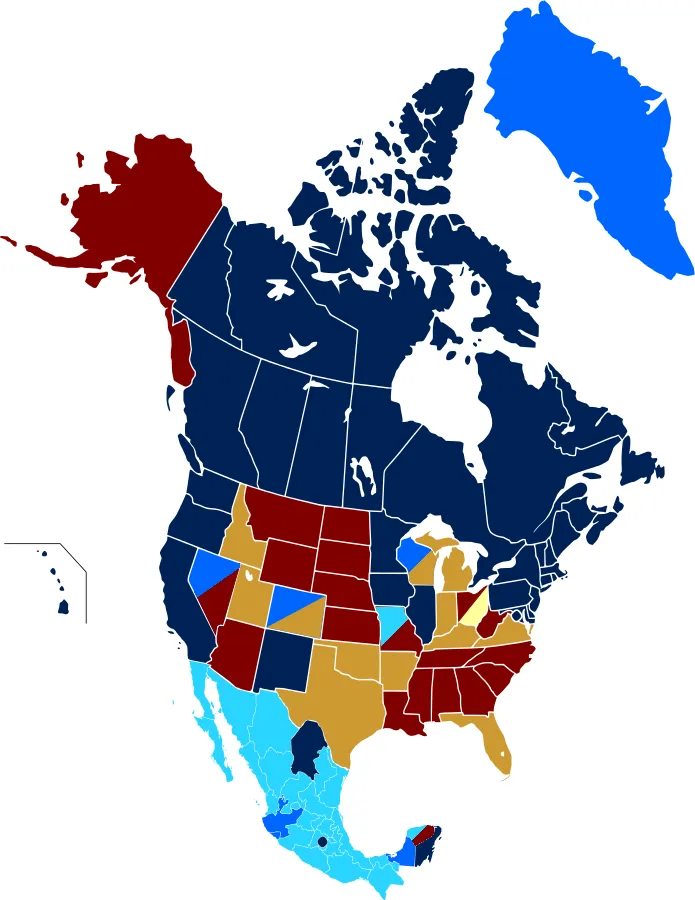
Photo: North_America_second_level_political_division_2_and_Greenland.svg: Alex Covarrubias *US data based on: Samesex_marriage_in_USA.svg: Lokal_Profil *derivative work: Wikignome0529 (talk) (no rights claimed), CC BY-SA 3.0, via Wikimedia Commons
There's something quietly powerful about lying next to your partner in a dim, warm room while two sets of skilled hands work out the tension you've both been carrying. No phones, no to-do lists, no outside world pressing in. Just the two of you, breathing, releasing, being.
For LGBTQ+ couples, that experience can carry extra weight — in the best possible way. When you've spent a lot of your relationship navigating spaces that weren't designed with you in mind, finding a wellness environment where you can just be a couple, openly and without performance, is more than relaxing. It's healing.
Why Shared Wellness Hits Different for LGBTQ+ Couples
Most couples accumulate stress. Work, finances, family dynamics, communication breakdowns — it's the ordinary texture of sharing a life with someone. But LGBTQ+ couples often carry an additional layer of external pressure: the low-grade vigilance of moving through a world that doesn't always affirm your relationship, the weight of navigating family rejection or community judgment, and the particular exhaustion of having to advocate for your relationship's visibility and legitimacy.
All of that tends to land in the body. And when both partners are holding that kind of tension, it can quietly erode intimacy — not because the love isn't there, but because you're both running on fumes.
Shared wellness experiences — couples' massage, partner spa days, even attending a sound bath or yoga class together — create intentional space to decompress together. You're not just relaxing side by side. You're co-regulating, which is therapist-speak for the way our nervous systems actually sync up and calm down when we're near someone we feel safe with.
Marco and Darius, a gay couple based in Chicago who've been together for six years, started doing monthly couples' massages after a particularly stressful year that included a cross-country move and a family health crisis. "We weren't fighting or anything," Marco says, "but we'd kind of stopped touching each other in easy, casual ways. The massages gave us this ritual that was just ours. It sounds small, but it really brought us back to each other."
Navigating the Practical Stuff: Finding the Right Space
Not every spa or massage studio that offers couples' packages is going to be the right fit for LGBTQ+ partners — and that's worth acknowledging upfront rather than discovering it awkwardly mid-booking.
Here's what to look for:
Explicit inclusivity signals. Check the studio's website. Do they use gender-neutral language in their couples' offerings? Do they have a non-discrimination policy? Have they made any public statements about LGBTQ+ inclusion? These aren't just feel-good details — they're indicators of whether the staff has been trained to actually affirm your relationship.
Reviews from the community. LGBTQ+ wellness directories (hi, that's us), Yelp reviews filtered for relevant keywords, and recommendations from queer friends in your area are all solid starting points. Word of mouth within the community is often the most reliable signal.
Call ahead if you have questions. There's no shame in reaching out before you book to ask something like, "We're a same-sex couple — is your staff experienced working with LGBTQ+ clients?" A genuinely inclusive studio will welcome the question. If the response feels weird or evasive, that's useful information too.
Ask about intake forms. Good studios will have intake forms that include inclusive gender options and ask about preferences around touch, draping, and communication. If those forms assume a heterosexual couple or use gendered language that doesn't fit you, it's a sign that the inclusivity might be surface-level.
Communicating with Your Partner Before You Go
Shared wellness works best when both partners are actually on the same page about what they want from the experience. Before you book, it's worth having a low-stakes conversation about a few things:
What are you each hoping to get out of it? One of you might be craving deep relaxation and silence. The other might want something more interactive or energizing. Neither is wrong — but knowing ahead of time helps you choose the right modality (a quiet Swedish massage vs. a more stimulating Thai massage, for example).
Are there any physical considerations? Injuries, areas of sensitivity, or parts of the body that feel particularly vulnerable deserve a heads-up — both to your partner and to your therapists.
How do you each feel about being in a shared room? Most couples' massages happen in the same room simultaneously, which can feel deeply connected and also slightly exposed. If one of you is newer to bodywork or has complicated feelings about physical vulnerability, it's worth naming that.
What does aftercare look like? Some people feel floaty and quiet after a massage. Others want to talk. Agreeing in advance to grab a slow lunch or just chill without an agenda afterward can make the whole experience feel more complete.
Modalities Worth Exploring Together
If you're not sure where to start, here are a few shared wellness experiences that LGBTQ+ couples tend to find particularly meaningful:
Couples' Swedish massage is the classic entry point — relaxing, accessible, and great for nervous system regulation. It's a solid first experience if either of you is newer to massage.
Hot stone therapy adds a grounding, warming element that many people find deeply calming. The heat helps release tension that regular massage might not reach.
Partner yoga or assisted stretching sessions offer a more interactive experience where you're actually moving together, which can build a different kind of physical communication and trust.
Float therapy (sensory deprivation tanks) is available at some studios as a side-by-side experience and can be profoundly restorative — especially for people dealing with chronic stress or anxiety.
Spa day packages that include access to steam rooms, hot tubs, or saunas offer a more casual, exploratory format that doesn't require committing to a single modality.
Physical Affection Without the Performance
One thing LGBTQ+ couples sometimes describe about shared wellness spaces is the relief of being physically affectionate without feeling like they're making a statement. In a genuinely inclusive studio, holding hands in the waiting room or kissing your partner on the cheek when they emerge from their treatment isn't an act of visibility or advocacy — it's just what couples do.
That ordinariness is actually extraordinary. It's the experience of your relationship being treated as completely, unremarkably normal. And for couples who've spent years code-switching or calculating when it's safe to be themselves, that kind of environment is its own form of healing.
Shared wellness isn't a cure for relationship stress or a substitute for real communication. But it is a powerful way to invest in each other — to say, with your time and your presence, you matter to me, and we deserve to feel good together.
That's a message worth sending, again and again.