Sweat, Steam, and Community: Why LGBTQ+ Folks Are Finding Their People at Wellness Spaces
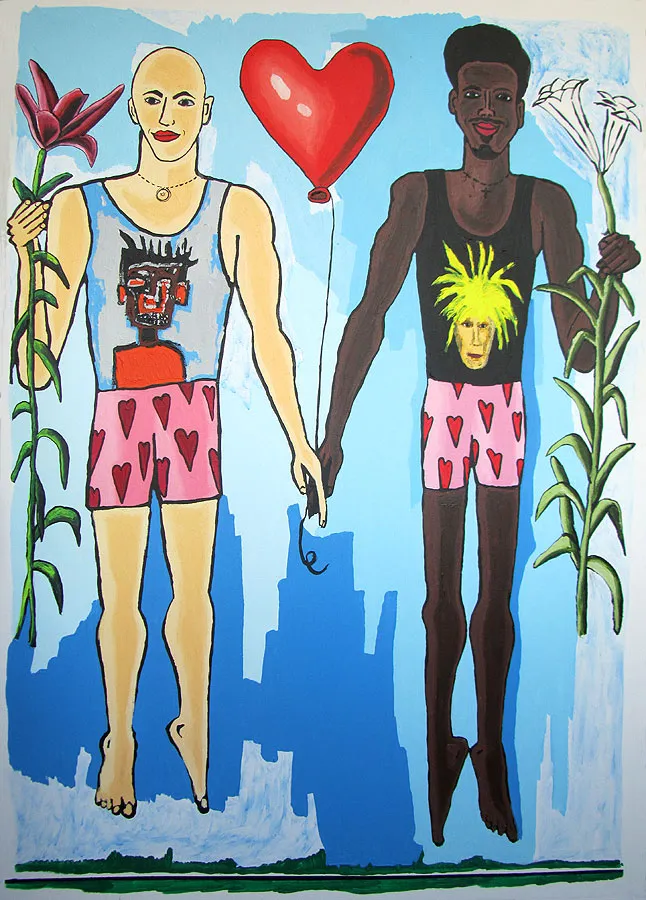
Photo: Raphael Perez Israeli Artist, CC BY 2.0, via Wikimedia Commons
There's a reason your friend group chat blew up after someone suggested a spa day. It wasn't just about the eucalyptus steam or the hot stone massages. It was about being somewhere you could breathe — really breathe — without scanning the room to figure out if you were safe.
For LGBTQ+ people across the US, wellness spaces have functioned as so much more than health destinations. They've been community anchors, social hubs, and in some cases, the first place someone ever felt genuinely comfortable in their own skin. That history is long, layered, and honestly pretty beautiful when you sit with it.
A Brief, Steamy History
Let's not dance around it: bathhouses have been central to gay male culture in America since at least the early 20th century. Cities like New York, San Francisco, and Chicago had thriving bathhouse scenes that operated as de facto community centers long before gay bars became visible — and long before any Pride parade ever marched down a main street.
These weren't just spaces for sex (though that was part of it, and there's no shame in saying so). They were places where men who loved men could exist without performance, without hiding, and without fear of the law — at least for a few hours. The social bonds formed in those steamy back rooms and communal pools built friendships, support networks, and a sense of shared identity that was genuinely radical for its time.
The AIDS crisis devastated these communities and shuttered many of these spaces in the '80s and '90s. But the impulse — the need — for a wellness space that doubles as a community gathering point never went away. It just evolved.
The Modern Version Looks a Little Different
Today, the wellness-to-community pipeline runs through yoga studios in Brooklyn, queer-owned float tank centers in Austin, LGBTQ+-affirming spas in Los Angeles, and everything in between. The format has changed, but the function is surprisingly similar.
"When someone walks into our studio and sees our staff, our decor, our clientele — they exhale," says Marcus, a massage therapist and co-owner of a queer-centered wellness space in Chicago. "You can literally see it happen. And once they exhale, they start talking. They start connecting. We have regulars who met here and are now close friends. A couple of them started dating."
That last part — the dating piece — is something wellness providers are increasingly noticing, even if they're not always sure what to do with it. Social apps have their place, but there's something about a shared physical space, a shared vulnerability, that creates a different kind of chemistry.
Why Vulnerability Creates Connection
Psychologists have long noted that shared experiences of vulnerability tend to accelerate bonding. When you're in a sauna together, when you've both just had your knots worked out, when you're wrapped in a robe sipping cucumber water — the social armor comes down. You're not performing. You're just a person, next to another person, both of you a little more relaxed than usual.
For LGBTQ+ individuals who have spent significant energy managing how they present in public, this kind of unguarded space can feel almost transgressive. And that shared relief? It's connective tissue.
"There's a specific kind of trust that builds when you find a space where you don't have to explain yourself," says Jordan, a nonbinary yoga instructor based in Atlanta. "People come back not just for the class — they come back for the feeling of being around their people. That's community. That's what we're really selling, even if the sign out front just says 'wellness studio.'"
Intentional Design vs. Happy Accident
Some LGBTQ+-focused wellness businesses are building community intentionally — hosting mixer events, creating referral networks with LGBTQ+ therapists and healthcare providers, and designing physical spaces with communal areas that invite lingering and conversation. Others are discovering, somewhat by surprise, that their clientele is doing the community-building work all on its own.
Either way, the result is the same: a growing number of queer Americans are finding that their wellness routine is also their social life. And honestly? That's not a bad thing.
Spa days have replaced bar nights for some folks — particularly those in recovery, those who've aged out of the club scene, or those who simply prefer their connections to happen somewhere a little quieter. The rise of sober socializing within LGBTQ+ communities has made wellness spaces an even more appealing alternative.
What This Means for Providers
If you're running a wellness space — or thinking about making yours more LGBTQ+-friendly — understanding this dynamic matters. Your clients aren't just coming for the service. They're coming for the feeling of belonging. That means:
- Your front desk staff sets the tone. A warm, inclusive greeting from someone who doesn't misgender anyone or make assumptions about relationships goes a long way.
- Communal spaces are opportunities. A thoughtfully designed waiting area, a post-treatment lounge, or even a community board with local LGBTQ+ events can signal that your space is more than transactional.
- Language matters everywhere. Your website, your intake forms, your email newsletters — all of it either includes people or excludes them before they ever walk through the door.
- Partnerships build trust. Connecting with LGBTQ+ community organizations, sponsoring Pride events, or offering sliding-scale rates for community members signals genuine investment, not just rainbow capitalism.
The Bigger Picture
There's something quietly profound about the fact that, in 2024, queer people are finding their community in a sauna or a float tank. It's not so different from the bathhouses of the 1950s, when the stakes were much higher and the spaces were much more hidden. The human need underneath it all is the same: find your people, let your guard down, feel at home in your body.
Wellness spaces, at their best, make that possible. And when they do it well — when they create genuinely affirming environments where LGBTQ+ clients feel seen and safe — they become something much bigger than a business. They become part of the fabric of community.
So the next time you book that massage or pencil in a spa day with your crew, know that you're participating in a tradition that runs deeper than you might think. You're not just taking care of yourself. You're showing up for your community.
And that's worth celebrating.